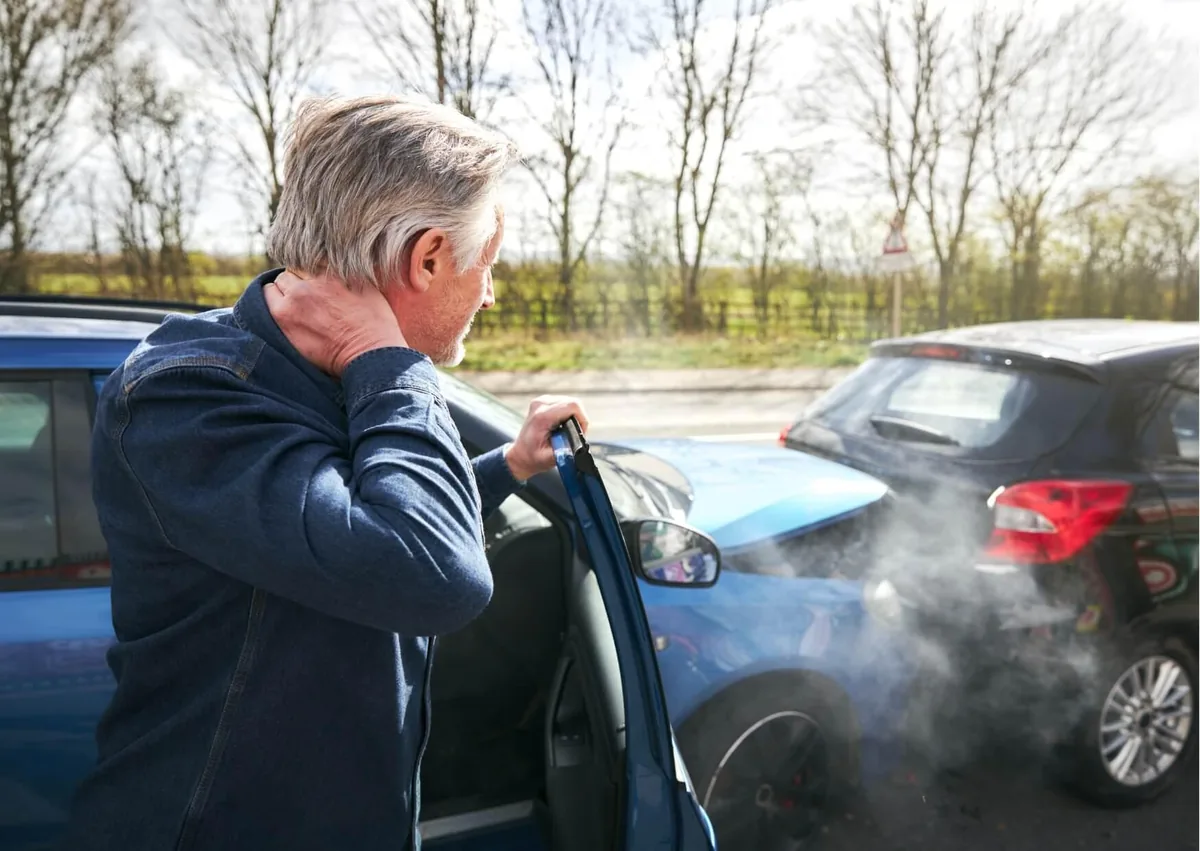
A work-related car accident can raise two important questions: who pays for your injuries, and who is responsible for the crash. In California, the answer may involve workers' compensation, auto insurance, and, in some cases, a claim against another driver.
If you were injured while driving or riding for work, report the incident as both a work injury and a traffic accident. Do not assume the crash is only an auto insurance matter, and do not assume workers' compensation covers every issue, such as vehicle damage, pain and suffering, or fault.
Understanding how these claims work early can help you avoid mistakes that may affect your benefits. LTHZ Law helps California employees navigate work-related motor vehicle accident claims and understand how workers' compensation and other claims may apply to their situation.
A car accident may be work-related when the driving was part of your job or was done for your employer's benefit. That can include deliveries, customer visits, jobsite travel, driving between work locations, transporting equipment, attending required meetings, or running an errand your supervisor requested.
California's Division of Workers' Compensation gives a simple example of a work injury: getting hurt in a car accident while making deliveries. The example is short, but it captures the main idea. If the crash happened because work put you on the road, it may belong in the workers' compensation system.
Not every drive connected to a job is treated the same way. A normal commute may be different from a trip during the workday. A personal detour may be different from a direct route to a customer or jobsite.
California's official work-relatedness rule for injury recordkeeping says travel-status injuries can be work-related when the employee is engaged in work activities in the employer's interest, while personal detours and certain commuting situations are treated differently. That rule is not the entire workers' compensation analysis, but it is a useful way to think about the facts.
A work-related car accident may involve more than one type of claim. Each serves a different purpose and may cover different losses. They may overlap, but they do not all pay for the same things.
Workers' compensation is usually the starting point for medical care and wage-loss benefits when the injury happened in the course of work. It can help with medical treatment, temporary disability, permanent disability, and other benefits depending on the injury and the case. LTHZ explains the main categories in its guide to workers' compensation benefits.
Auto insurance may still matter for vehicle damage, liability, property damage, and claims involving another driver. If you were in a company vehicle, the employer's auto policy may be involved. If you were in your own car, your personal auto carrier may ask whether the trip was business-related. Those questions are separate from whether the crash also counts as a work injury.
If another driver caused the crash, you may have a separate claim against that driver or their insurer. California Labor Code section 3852 says an employee's workers' compensation claim does not affect the employee's right of action against someone other than the employer. That matters because workers' compensation and a third-party auto claim can address different losses.
After a crash, the safest order is practical: get medical care, report the injury, preserve the accident evidence, and avoid guessing on forms or statements when you are not sure which claim is which.
The DWC says a claim form helps protect your rights and starts the workers' compensation process. It also says an employer must provide the form within one working day after learning about the injury or illness. LTHZ's page on filing a workers' compensation claim covers that process in more detail.
There may also be DMV reporting. The California DMV says an SR-1 report must be sent within 10 days if someone is injured, someone is killed, or property damage is over $1,000. The DMV also says the SR-1 is required in addition to any report made to police, CHP, or an insurance company.
Many disputes come down to the timeline. The claim may be stronger when the records show that the trip was expected, authorized, reimbursed, or part of the workday. Evidence that can help support your claim includes:
These details help separate a work trip from a personal errand or ordinary commute. They can also help when an adjuster accepts that a crash happened but disputes whether it happened because of work.
A work-related car accident can happen in almost any occupation where driving or working near traffic is part of the job. NIOSH notes that all workers face crash risk whether they drive light or heavy vehicles and whether driving is their main job or only part of the job.
For service-specific help, LTHZ also has a page on work-related motor vehicle accident claims and an older article on what to do after a car accident while driving for work.
Work-related car accident claims can get delayed when the employer, workers' compensation carrier, and auto insurer each focus on a different piece of the case. Some common problems include:
If the claim is denied, read more about denied workers' comp claim issues. If the employer does not have coverage, LTHZ also explains uninsured employer workers' comp claim options.
Not every injury appears immediately after a car accident. Some symptoms may develop or worsen hours or even days later. Neck pain, back pain, headaches, numbness, dizziness, shoulder pain, and anxiety around driving can show up or worsen after the adrenaline fades. If you were hurt while working, tell the doctor the crash was work-related and describe every area that hurts, even if one injury feels worse than the others.
Medical records often become one of the clearest ways to connect the crash to the injury. If you are unsure when to get care, LTHZ has a separate guide on how long you have to see a doctor after a work injury.
Serious crashes may involve surgery, permanent work restrictions, disability ratings, vocational questions, and long disputes over future medical care. Fatal work-related crashes may raise questions about dependent benefits and third-party claims. LTHZ has more information for families on work-related death issues.
The earlier the records are organized, the easier it is to see what belongs in workers' compensation, what belongs in the auto claim, and what may need to be pursued separately.
You may want to talk with a workers' comp lawyer in California if the crash happened during work and any of these are true:
A work-related car accident can involve workers' compensation, auto insurance, and, in some cases, a third-party claim. Understanding how these claims fit together early can help protect your rights and avoid unnecessary delays.
If you were injured in a work-related car accident, LTHZ Law can evaluate your workers' compensation claim, explain how other insurance claims may affect your case, and help you protect the evidence that matters most. Contact us to discuss your situation and better understand your legal options.
Yes, workers' compensation may cover a work-related car accident if you were performing job duties or driving for your employer's benefit when the crash occurred. Covered benefits may include medical treatment, wage-loss benefits, and disability benefits, depending on the circumstances.
Yes. If another driver or another third party caused the crash, you may have both a workers' compensation claim and a separate third-party personal injury claim. Each claim may provide different types of benefits or compensation.
Using your personal vehicle does not automatically prevent workers' compensation coverage. If you were driving for a work-related purpose, the accident may still qualify as a work-related injury, although your personal auto insurance may also become involved.
Seek medical care, report the injury to your employer as soon as possible, document the accident scene, and keep copies of medical records, police reports, and insurance information. Prompt reporting can help protect your workers' compensation claim.
It may be helpful to speak with a lawyer if your claim is denied, medical treatment is delayed, your employer disputes that the accident was work-related, or multiple insurance companies are involved in the claim.