
The short answer: you usually do not have to hand money back just because the insurance company says so. But repayment can become an issue if benefits were overpaid, if you recover money from a third party, if another program paid bills that workers' comp should have handled, or if the claim involves a fraud allegation.
In many cases, the issue is not a simple cash repayment. It may be a credit against future benefits, a lien against settlement money, or a dispute over whether the payment was ever owed. Before you agree to pay anything, it is worth slowing down and asking what kind of demand you received, what dates it covers, and whether the calculation is right.
This article explains the common reasons a California workers' compensation claim can involve repayment, what documents to check, and when it may make sense to speak with a lawyer before signing or sending money.
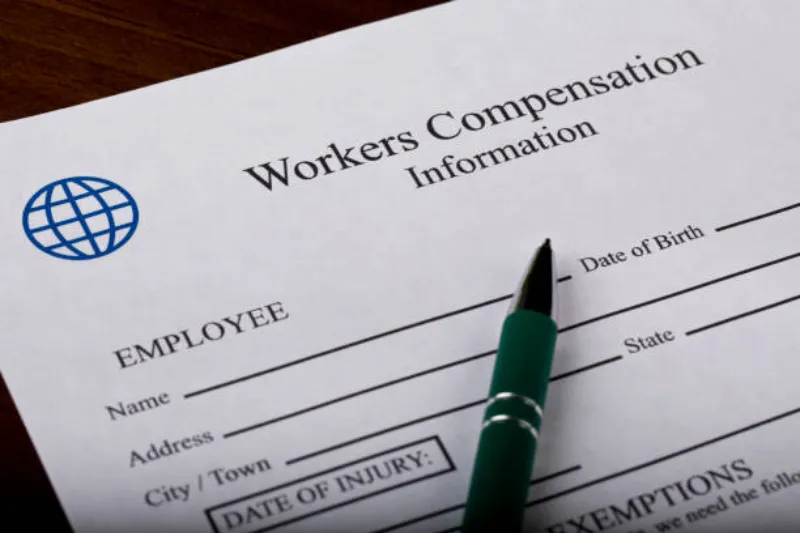
The word "repay" can mean different things in a workers' compensation claim. The next step depends on the type of demand.
Those are very different situations. A routine benefit adjustment should not be treated the same way as an allegation of fraud. A lien in a third-party case should not be handled the same way as a temporary disability overpayment after you returned to work.
Temporary disability benefits are meant to replace part of your lost wages while your work injury keeps you from doing your usual job. The California Division of Workers' Compensation explains that temporary disability generally pays two-thirds of gross lost wages, up to the legal maximum, and that workers should report income from work to the claims administrator.
Problems can come up when checks keep arriving after something changes. For example, you may return to work, start modified duty, receive partial wages, or have a doctor release you to work before the claims administrator updates the payment record. DWC also explains that temporary disability generally stops when you return to work, when the doctor releases you for work, or when the doctor says your injury has improved as much as it is going to.
If checks continued during a period when you were working or no longer eligible for the same rate, the insurer may claim there was an overpayment. That does not mean the number is automatically correct. Compare the demand against your pay stubs, work-status notes, disability payment notices, and the date your doctor actually changed your restrictions.
Related LTHZ resources explain when workers' comp starts paying in California, whether you can work while on workers' comp, and how workers' comp payouts may be calculated.
Permanent disability benefits are different from temporary disability. DWC describes permanent disability as lasting disability from a work injury that affects your ability to earn a living. The amount depends on the medical record, impairment level, date of injury, wages, occupation, and other rating factors.
Sometimes payments are advanced before the final permanent disability rating is fully settled. If later reports, a qualified medical evaluation, or a settlement changes the value of the claim, the insurer may argue that earlier payments should be credited against what is owed later. California Labor Code section 4909 allows certain payments or benefits to be taken into account by the appeals board when fixing compensation.
That is one reason to read a repayment letter carefully. It may be asking for cash, but it may also be asking for a credit against future benefits. The difference matters, especially if you still need medical care, disability payments, or a settlement that keeps future medical issues open.
Some work injuries involve someone other than the employer. A delivery driver might be hit by another driver. A construction worker might be injured by a subcontractor's equipment. A defective product might contribute to the injury. In that kind of case, the injured worker may have a workers' compensation claim and a separate third-party claim.
California law allows third-party cases to affect reimbursement. Labor Code section 3856 addresses how a recovery against a third party can be applied after litigation expenses and attorney's fees, including reimbursement for compensation paid. Labor Code section 3861 addresses credit issues after an employee's recovery, with important limits and exceptions that should be reviewed in the specific case.
In plain English, the workers' compensation insurer may argue that it should not pay twice for the same injury. But the calculation is not always simple. Attorney's fees, litigation costs, the type of damages recovered, the settlement language, and current law can all affect what gets reimbursed or credited.
If your injury involved a car crash, construction site, railroad work, dock accident, or another outside party, review the third-party issue before settling. LTHZ has separate pages for work-related motor vehicle accidents, construction injuries, and workers' compensation claims.
Not every repayment issue comes from the workers' compensation insurance company. Medicare, state disability, private health insurance, or another benefit source may claim it paid bills or benefits that should be reimbursed from a settlement or award.
CMS explains that Medicare may make a conditional payment when another payer may be responsible, and that the payment must be repaid when there is a settlement, judgment, award, or other payment. If Medicare is involved, the reimbursement question should be handled separately from a normal workers' comp overpayment letter.
This is especially important before closing a claim. You do not want to settle based only on the workers' comp numbers and then learn that a separate conditional payment or reimbursement issue was left unresolved.
An honest payment mistake is not the same thing as workers' compensation fraud. Still, if the letter accuses you of hiding wages, working while claiming total disability, exaggerating an injury, or giving false information, take it seriously.
The California Department of Industrial Relations warns that workers' compensation fraud can carry criminal penalties, fines, and restitution. That does not mean every overpayment dispute is fraud. It means the language in the notice matters. A demand based on math, work status, or benefit timing should be separated from any allegation that someone knowingly lied.
If the notice uses words like fraud, misrepresentation, investigation, restitution, prosecution, or false statement, do not try to explain the issue casually by phone without first understanding what is being alleged.
A repayment demand should be tied to documents. Ask for the calculation and compare it against your own records before agreeing that the amount is correct.
Keep the envelope, letter, check stubs, benefit notices, wage records, work restrictions, medical reports, settlement papers, and any emails or texts about your return to work. Small date differences can change the repayment number.
Yes, repayment demands can often be reviewed or disputed. The right response depends on what the insurer is asking for and where the claim is procedurally. You may be able to challenge the amount, the dates, the wage calculation, the legal basis for a credit, whether a third-party lien was calculated correctly, or whether the demand ignores medical reports that support the benefits paid.
Do not ignore the letter, but do not assume the first number is final. If the claim is already disputed, denied, near settlement, or tied to a third-party recovery, the repayment issue can affect more than one part of the case. LTHZ's pages on denied workers' comp claims and working with a California workers' comp lawyer may be useful next steps.
It is worth getting legal advice before responding if the amount is large, the demand involves a third-party settlement, Medicare is involved, the insurer is threatening to stop checks, the repayment would affect a settlement, or the letter suggests fraud or misrepresentation.
A lawyer can help compare the demand against the claim file, benefit notices, wage records, medical reports, settlement language, and any lien or credit documents. The goal is not to make every payment issue more complicated. It is to avoid agreeing to an amount or legal position that is not supported by the record.
Leep Tescher Helfman and Zanze represents injured workers in Redding and Northern California. If you received a repayment demand, overpayment notice, lien notice, or credit request, the firm can help you understand what kind of issue it is and what should be checked before you respond.
Yes, but there should be a reason and a calculation. Common reasons include overpaid disability checks, benefits paid after a return to work, a third-party settlement, or a credit issue after the final value of the claim is determined.
No. Some disputes involve a credit against future benefits or a lien against settlement money rather than an immediate cash repayment. The notice should be reviewed carefully so you know what is actually being requested.
Save the payment records, pay stubs, work-status notes, and any messages about your return to work. The insurer may claim an overpayment, but the dates and wage information still need to be checked.
Yes. If someone other than your employer caused the injury and you recover money from that person or company, the workers' compensation insurer may assert reimbursement, lien, or credit rights. Attorney's fees, costs, settlement terms, and legal limits can affect the final number.
Medicare conditional payments may need to be resolved when there is a settlement, judgment, award, or other payment. Ask for the current conditional payment information and make sure it is reviewed before the claim is closed.
No. A wrong demand should still be answered carefully. Ask for the calculation, preserve your records, and get advice if the demand is large, tied to settlement, or includes fraud language.