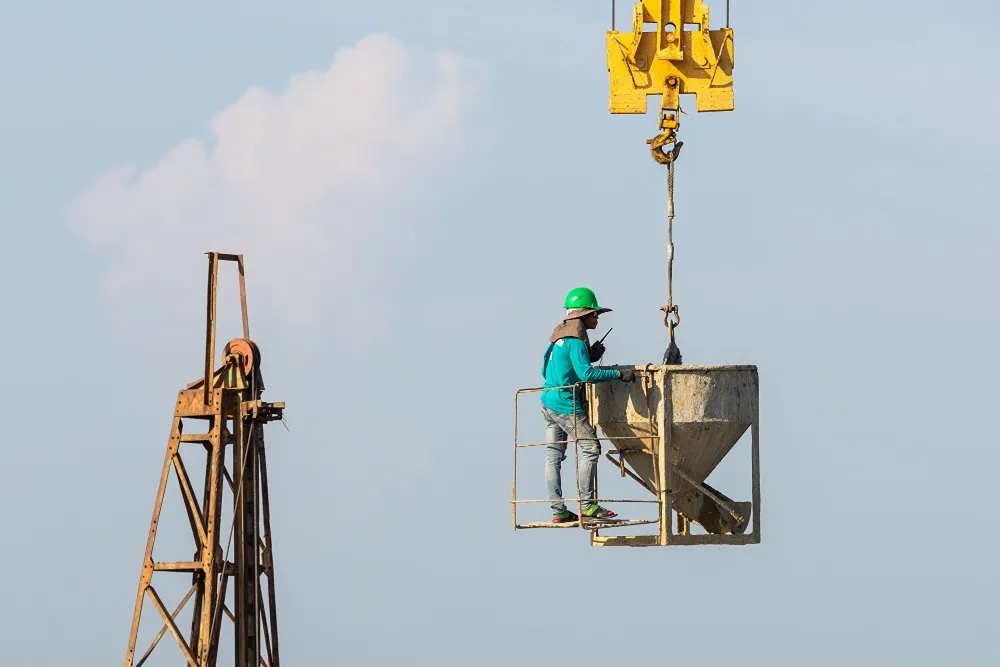
A crane accident lawyer can help injured workers understand their rights, protect critical evidence, and pursue the benefits or compensation available after a serious construction accident. When a crane collapses, tips, drops a load, or comes into contact with power lines, the injuries are often severe and life-changing. OSHA maintains specific standards for cranes, derricks, and hoists because these operations involve serious workplace hazards, especially in construction.
If you were hurt in a crane-related accident at work, you may be dealing with pain, missed income, medical appointments, and a lot of uncertainty all at once. The good news is that you may have legal options. In California, workers who are injured on the job may be entitled to workers’ compensation benefits, and the state’s Division of Workers’ Compensation provides guidance on the basic rights and steps involved in that process.
Crane accidents are different from many other jobsite incidents because of the sheer size, weight, and force involved. A single failure can injure operators, riggers, laborers, nearby workers, and even bystanders. Common outcomes include crush injuries, falls, struck-by injuries, electrocution, traumatic brain injuries, spinal cord trauma, fractures, and internal injuries.
Federal safety agencies have long recognized these risks. OSHA’s crane and derrick safety materials address hazards in construction and other industries, while NIOSH and related federal research have documented fatal incidents involving mobile cranes, tower cranes, overhead cranes, and barge cranes.
The danger is not theoretical. The U.S. Bureau of Labor Statistics reported 297 crane-related occupational deaths from 2011 through 2017, averaging 42 per year over that period. That number helps explain why crane safety rules — and legal accountability after failures — matter so much.
Crane accidents can happen in several ways, and many involve preventable mistakes. Some of the most common causes include:
OSHA’s construction materials and crane guidance specifically address hazards involving equipment, lifting operations, assembly and disassembly, and unsafe site conditions. OSHA’s crane publication also notes that assembly and disassembly incidents involving lattice boom and tower cranes are a major cause of crane-related fatalities.
One of the biggest questions after a serious construction injury is who is legally responsible. The answer depends on how the accident happened and who was involved.
Potentially responsible parties may include:
This is where a crane accident lawyer becomes especially valuable. On a busy construction site, more than one company may have contributed to the unsafe conditions that caused the injury. Identifying every responsible party can make a major difference in the benefits or compensation available.
For many injured workers in California, workers’ compensation is the first step after a crane-related injury. The California Division of Workers’ Compensation explains that the workers’ compensation system is designed to provide benefits to employees who suffer work-related injuries or illnesses. Those benefits may include medical treatment and other forms of support under California law.
LTHZ Law states on its website that the firm represents injured workers in California workers’ compensation matters and assists clients with navigating the claims process.
Depending on the circumstances, workers’ compensation may include:
Many injured workers also have questions about income during recovery, such as if you get injured at work, do you get paid and what types of benefits may apply.
LTHZ Law also notes that injured workers should take prompt action after a workplace injury and follow the required reporting and claims procedures carefully. You can learn more about what to do if you are injured at work in California.
In some situations, the answer may be yes. Although workers’ compensation is typically the primary remedy against an employer, a third party may also bear legal responsibility for the accident. For example, liability may involve a subcontractor, equipment company, maintenance provider, or manufacturer, depending on how the incident occurred.
This distinction is important. A third-party claim is separate from a workers’ compensation claim and may create an additional path to recovery under the applicable law. Because crane accidents often involve multiple entities and pieces of equipment, a thorough legal investigation is essential.
The actions taken after a crane accident can significantly affect both medical recovery and the legal claims process. Injured workers should consider the following steps:
Taking these steps as early as possible can help protect both your health and your ability to pursue the full benefits or compensation available under the law.
A serious crane accident often requires more than simply filing paperwork. A lawyer can assist by investigating the incident, identifying potentially liable parties, preserving critical evidence, and evaluating the legal options available.
This process may include reviewing accident reports and medical records, assessing whether safety violations contributed to the incident, managing communications related to the claim, and helping pursue the full benefits or compensation available under the law.
For injured workers, this guidance can provide clarity and direction during a difficult time, and LTHZ Law focuses on helping California workers understand their rights and navigate workplace injury claims.
Timeliness is critical after any serious worksite injury, but it may be especially important in a crane accident case. Construction sites change quickly. Equipment may be repaired, removed, or returned to operation. Witness recollections may fade, and records may become more difficult to obtain.
Seeking legal advice early can help preserve evidence and protect the worker’s position. Even when the cause of the injury seems obvious, the legal and factual issues involved in a crane accident can be more complicated than they first appear.
In addition, understanding potential case value is important—resources such as workers’ compensation settlement body part values can help provide general insight into how injuries may be evaluated.
If you were injured in a crane accident, it is important to understand your rights as early as possible. A crane accident lawyer can evaluate your options and help protect your claim.
LTHZ Law represents injured workers in California and focuses on workers’ compensation matters. The firm is located at 1440 West St, Redding, CA 96001, with office hours Monday–Thursday (8:00 AM–12:00 PM, 1:00 PM–4:00 PM), Friday (8:00 AM–12:00 PM), and closed on weekends.
A crane accident can affect your health, your ability to work, and your financial stability. Timely legal guidance can help you protect your interests and plan your next steps.
A crane accident can have lasting physical, financial, and emotional impacts, making it essential to understand your legal options as soon as possible. Working with a crane accident lawyer can help ensure your rights are protected and that you pursue the full benefits or compensation available. If you or a loved one has been injured, contacting LTHZ Law is an important step toward moving forward with clarity and confidence.
In California, workers’ compensation claims must generally be reported within 30 days of the injury, and a formal claim should be filed within one year. However, deadlines can vary depending on the circumstances, so it is important to act quickly to avoid losing your right to benefits.
Even if you believe you may have contributed to the accident, you may still be eligible for workers’ compensation benefits. The system is generally designed to provide benefits regardless of fault, though additional claims may depend on the specific facts of the case.
Yes, in the event of a fatal workplace accident, certain family members may be eligible to pursue death benefits through workers’ compensation. These benefits may help cover funeral expenses and provide financial support to dependents.
Most workers’ compensation attorneys work on a contingency fee basis, meaning they are typically paid only if benefits or compensation are recovered. Fee structures can vary, but this arrangement allows injured workers to seek legal help without upfront costs.
In addition to medical records, important evidence may include equipment inspection logs, maintenance records, operator certifications, safety meeting documentation, and site-specific safety plans. This type of documentation can help establish how the accident occurred and whether safety procedures were followed.