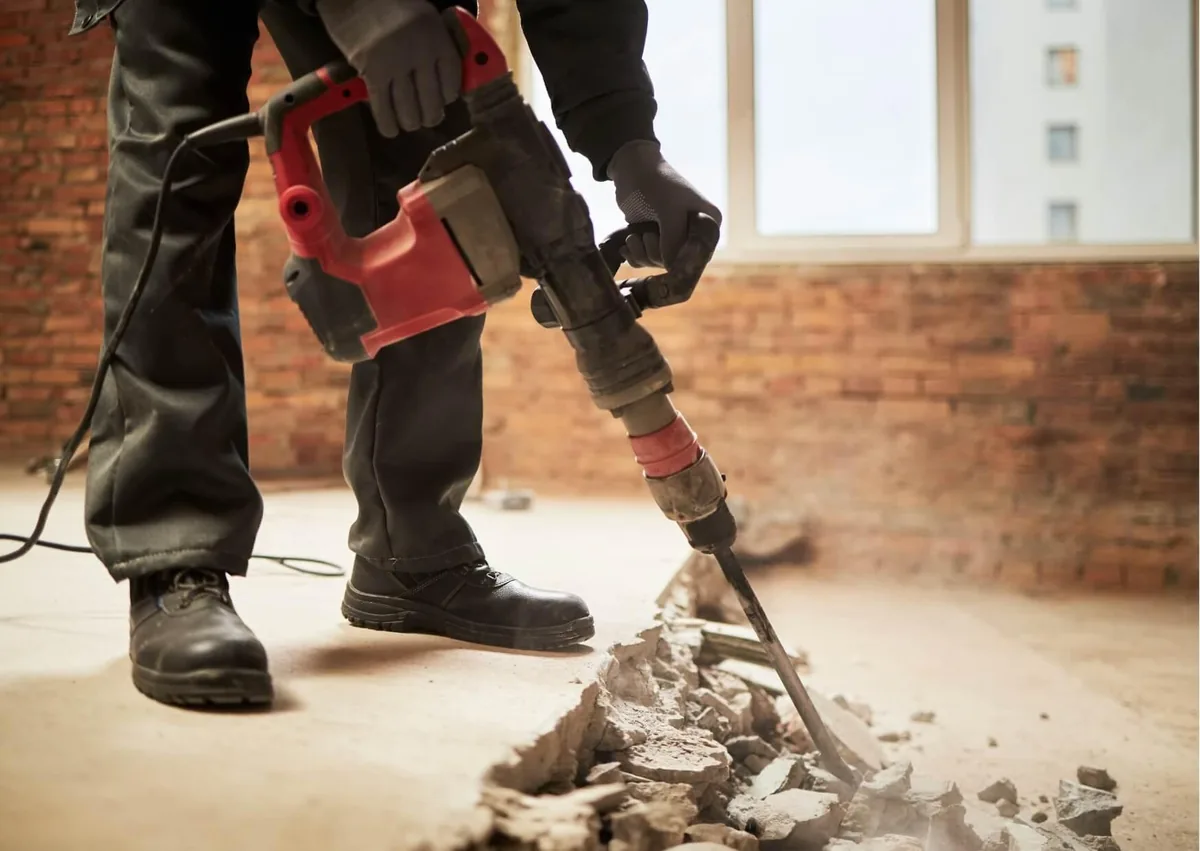
Compensation for dust from building site exposure may be available if you became sick after breathing hazardous dust while working. Depending on the circumstances, the claim may involve workers' compensation benefits and, in some cases, a separate third-party claim.
The harder part is proving what you were exposed to, when it happened, and how it connects to your symptoms or diagnosis. Construction dust can be simple nuisance dust, but it can also include respirable crystalline silica, lead dust, asbestos fibers, demolition debris, drywall dust, concrete dust, or other substances that need medical and jobsite records to sort out.
If you are dealing with a workers' compensation claim involving construction dust exposure, LTHZ Law helps injured employees throughout California understand their rights and navigate the claims process. Knowing what evidence to preserve early can make the process much smoother.
A dust exposure claim usually starts with one practical question: were you exposed because of your job or because of conditions at a site where you were required to work? If so, California workers' compensation may apply even if the illness did not happen in one dramatic accident.
The California Division of Workers' Compensation explains that a work-related injury or illness can come from one event or repeated exposures at work. California Labor Code Section 3208.1 also recognizes both specific injury and cumulative injury. That matters for dust cases because some workers notice symptoms after a heavy single exposure, while others develop problems after repeated work around cutting, grinding, demolition, sweeping, or cleanup.
These claims may involve a construction injury, a work illness claim, or both. The label matters less than building a clear record of the exposure, the symptoms, the medical diagnosis, and the work duties that connect them.
Not every type of construction dust presents the same level of risk. The material involved often determines both the health concerns and the evidence needed for a claim.
OSHA and Cal/OSHA have specific standards for controlling respirable crystalline silica in construction. OSHA requires employers to limit worker exposure through engineering controls, written exposure control plans, employee training, and recordkeeping. Under Cal/OSHA Title 8, Section 1532.3, employers must also follow requirements for exposure control methods, respiratory protection, medical surveillance, hazard communication, housekeeping, and recordkeeping.
Workers may experience:
More serious conditions may include:
OSHA explains that respirable crystalline silica can cause silicosis, lung cancer, COPD, kidney disease, and other serious conditions. CDC/NIOSH also describes silicosis as an irreversible but preventable lung disease caused by inhaling respirable crystalline silica.
Do not wait for the jobsite to investigate itself if you are having breathing problems or other symptoms after exposure. Get medical care, explain the work exposure clearly, and ask whether the doctor needs information about the material, task, duration, and protective equipment.
Start with medical care. Tell the doctor what you were doing, what material was being cut, drilled, swept, removed, or demolished, whether the dust was visible, and whether masks, respirators, water controls, ventilation, vacuums, or barriers were used. If the exposure happened over weeks or months, explain the pattern instead of naming only one date.
Then report the injury at work. The California DWC tells workers to report a job injury right away, and if an illness develops over time, to report it as soon as they learn or believe it was caused by the job. Ask for the DWC claim form and keep a copy of anything you submit.
If you need follow-up care, make sure you understand how to see a doctor after a work injury through the workers' compensation process. Dust cases can become harder when early medical notes do not mention the jobsite exposure, so be specific and consistent from the start.
Dust exposure cases can turn on details that disappear quickly. A crew may clean the area, remove materials, replace filters, move equipment, finish demolition, or cover the area before anyone asks what happened.
If the site involved silica, records may include exposure measurements, objective data, Table 1 control methods, a written exposure control plan, and training records. If the site involved lead or asbestos, there may be additional surveys, abatement records, regulated area signs, air monitoring, waste records, and building-owner notifications.
Workers' compensation does not require you to prove that your employer broke a safety rule before you can receive benefits. Still, safety rules can help show what should have been controlled, documented, or explained.
For construction silica exposure, OSHA and Cal/OSHA require employers to use appropriate exposure controls, such as wet methods, HEPA-filtered vacuums, engineering controls, restricted access, respirators when needed, employee training, medical surveillance, and recordkeeping. The standards also limit dry sweeping and dry brushing when safer dust-control methods are available.
OSHA and Cal/OSHA also regulate lead and asbestos exposure in construction. Their standards address common exposure sources, required containment measures, respiratory protection, cleanup procedures, hazard communication, and other safeguards for work involving demolition, renovation, abrasive blasting, welding, and older buildings.
These requirements can become especially important when a worker is exposed to dust released during demolition or renovation, where hazardous materials may have been disturbed.
If the dust exposure is accepted as work-related, California workers' compensation may cover medical treatment and other benefits. Depending on the facts, workers' compensation benefits may include medical care, temporary disability, permanent disability, supplemental job displacement benefits, or death benefits in fatal cases.
Medical care may include urgent care, primary care, pulmonary evaluation, chest imaging, lung function testing, blood testing, medication, specialist visits, occupational medicine review, or long-term monitoring. The specific care depends on the suspected exposure and the diagnosis.
Dust claims often involve disputes over whether symptoms are work-related or caused by smoking, allergies, asthma, prior lung disease, wildfire smoke, or another non-work condition. These issues do not automatically prevent benefits, but they do make strong medical and exposure records especially important.
Workers' compensation is usually the starting point when an employee is exposed at work. But construction sites often involve many companies. California Labor Code Section 3852 allows an injured employee's compensation claim to coexist with a claim against someone other than the employer when that third party caused harm.
A third-party review may matter if the dust came from another contractor's work, a property owner's failure to disclose hazardous material, a demolition company, a product manufacturer, a negligent abatement company, a subcontractor that ignored containment, or a general contractor controlling the work area.
Not every dust exposure case has a third-party claim. But serious respiratory disease, confirmed silica exposure, lead exposure, asbestos exposure, hospitalization, long-term restrictions, or a work-related death should be reviewed before jobsite records disappear.
Dust exposure claims can be denied or delayed because the insurer says there is no proof of the material, no confirmed diagnosis, no clear exposure date, no air monitoring, or no medical connection between the work and the illness. The insurer may also argue that the condition came from a prior illness, smoking history, non-work exposure, or another employer.
If the claim is delayed, denied, or accepted only for part of the condition, review the denied workers' comp claim before deadlines pass. If the employer did not carry workers' compensation insurance, an uninsured employer workers' comp claim may require a different process.
Dust exposure claims can quickly become complicated, especially when they involve delayed symptoms, disputed medical evidence, or multiple contractors working on the same site.
If your illness has led to breathing problems, abnormal test results, time away from work, a denied claim, or uncertainty about who caused the exposure, speaking with a workers' compensation lawyer can help protect your rights and ensure important evidence is preserved.
If you believe you may be entitled to compensation for dust from a building site, contact LTHZ Law to discuss your workers' compensation claim with an experienced California attorney.
Whether your exposure involved silica, asbestos, lead, or another hazardous material, our team can review your case, explain your legal options, and help you pursue the full benefits you may be entitled to receive.
Yes, if the dust exposure happened because of your work and caused or contributed to an injury or illness. The claim may involve a single exposure, repeated exposure, or a condition that became noticeable over time.
You can still report the illness and seek medical care. Try to identify the material being cut, ground, demolished, or cleaned up, the contractors involved, and whether any silica, lead, asbestos, or other hazard warnings were posted.
Air monitoring can help, but it is not the only evidence. Medical records, job duties, photos, witness statements, safety documents, exposure plans, material records, and the timing of symptoms may also matter.
Some exposures can. Respirable crystalline silica is linked to silicosis and other serious diseases. Lead and asbestos can also create serious health risks. A doctor should evaluate symptoms and decide what testing is needed.
Your workers' compensation claim may still start with your employer's insurance if you were exposed while working. A separate third-party claim may also need to be reviewed if another company created or failed to control the hazard.
Bring medical records, claim forms, photos, witness names, jobsite details, contractor names, safety messages, respirator or training records, and anything showing what material was disturbed and when you were exposed.